
The Essence of Event Planning
Event planning is more than just organizing a gathering; it encompasses a series of deliberate steps designed to create meaningful experiences. Proper planning lays the foundation for successful events, setting a tone that resonates with attendees and creates lasting memories. Through effective strategies, you can transform an ordinary occasion into an extraordinary experience. When approaching the event process, it’s essential to establish clarity in your goals and direction. Here’s a comprehensive guide to understanding the key elements of successful event planning.
Understanding Event Goals
Every event should start with a clear understanding of its goals. What do you wish to achieve? Goals can range from celebrating a milestone, fostering networking opportunities, to generating revenue. Setting specific, measurable, attainable, relevant, and time-bound (SMART) goals is crucial. This approach helps in creating focused strategies that can be monitored throughout the planning process.
Identify Your Audience
Understanding your audience is vital. Different groups have varying preferences and expectations. Conduct thorough research to know who will attend your event, their interests, and what they hope to gain from the experience. Tailoring your event to meet these expectations will enhance engagement and satisfaction.
Setting a Budget
A well-planned budget can make or break an event. Consider all potential costs, including venue rental, catering, entertainment, and promotional expenses. Allocate your budget according to priority; this will help ensure that essential elements receive adequate funding. Don’t forget to include a contingency fund to cover unexpected costs.
Choosing the Right Venue
The venue plays a crucial role in the setting of your event. It’s not just about aesthetics; functionality matters just as much. The venue should align with your event’s theme and accommodate your audience comfortably. Here are some key considerations when selecting the perfect space.
Factors to Consider
When choosing a venue, consider factors such as size, location, amenities, and atmosphere. Assess the setting’s capability to facilitate your event’s requirements, including audiovisual needs, Wi-Fi access, and parking facilities. Accessibility for all attendees is also paramount, as a conveniently located venue can increase turnout.
Capacity and Comfort
Ensuring that the venue has adequate capacity is essential to avoid overcrowding or excessive empty space, both of which can detract from the attendee experience. Additionally, the layout of the venue should facilitate various activities seamlessly, creating a comfortable environment that keeps guests engaged.
Location Accessibility
Location is paramount when planning any event. A central location tends to attract more attendees, while also providing ease of access. Consider transportation options and the availability of nearby accommodations for out-of-town guests.
Curating an Unforgettable Experience
Creating memorable events involves curating experiences that resonate with attendees. Every detail matters from the initial welcome to the final goodbye. Here’s how to ensure every moment is engaging.
Theme Development
The chosen theme should reflect the event’s goals and resonate with the audience. A cohesive theme enhances the overall atmosphere and can guide decoration, activities, and even the catering selection. Explore various themes to determine one that encapsulates the essence of your event.
Entertainment Options
Entertainment is a significant draw for many events, often determining attendees’ contentment levels. Selecting the right entertainment, whether it be live music, speakers, or interactive experiences, can elevate your event. Be sure to align entertainment choices with your event’s objectives and audience interests.
Catering Considerations
Food and drink can leave a lasting impression, making the catering choice critical. Offer a variety of options to satisfy diverse dietary preferences. Additionally, ensure the presentation aligns with the event’s theme and that service is prompt and professional to enhance overall guest experience.
Logistics and Coordination
Successful event execution hinges on meticulous logistical planning. This involves detailed coordination of various elements, ensuring that everything runs smoothly on the day of the event.
Tent and Equipment Rentals
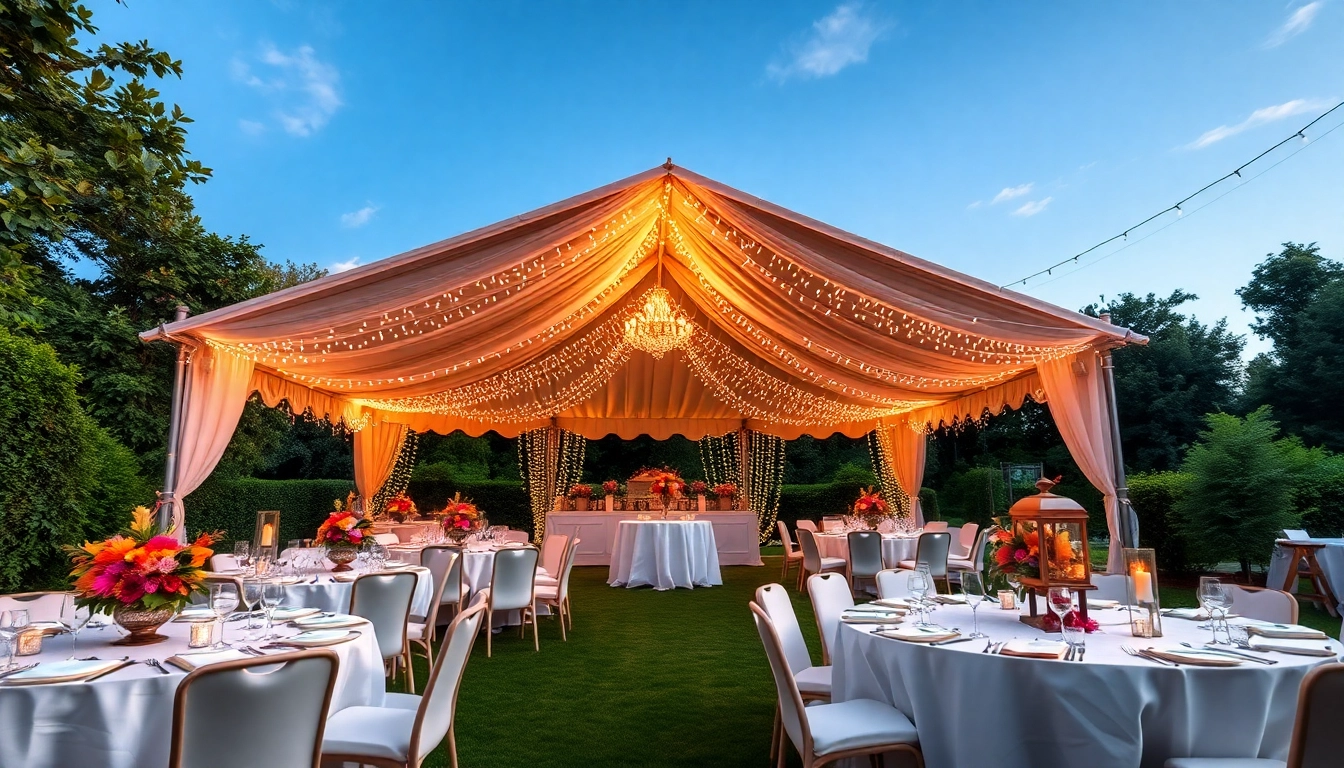
If your event is outdoors, weather-related contingencies should not be ignored. Renting tents and other necessary equipment such as chairs, tables, and lighting ensures that your event can proceed without a hitch regardless of external conditions. Choose a reputable vendor for a seamless rental experience.
Day-of Coordination Tips
On the day of the event, everything must come together. Designate a primary point of contact for vendors to streamline communication and troubleshoot any issues that may arise. Having a well-organized timeline is essential, where each task is scheduled and assigned to responsible parties to ensure a smooth flow of events.
Managing Vendors
Effective communication with your vendors is critical to achieving a successful event. Maintain regular contact leading up to the event and establish cooperative relationships to ensure everyone is aligned. Understanding your vendors’ needs and logistical constraints will enhance coordination and trust.
Post-Event Analysis
The conclusion of your event marks the beginning of a critical review phase. Understanding what worked and what didn’t is integral to improving future events.
Gathering Feedback
Post-event feedback can be invaluable. Send surveys to attendees asking about their experiences and suggestions for improvement. This feedback provides insights into how well the event met its goals and can guide your planning strategies for future events.
Measuring Success
To measure the success of your event, compare outcomes against the initial goals set during planning. Analyze attendance numbers, financial performance, and attendee satisfaction to evaluate the event’s effectiveness. These metrics are crucial for presenting the results to sponsors or stakeholders.
Planning for Future Events
Post-event analysis is not only about assessment but also about strategy for future events. Utilize lessons learned to refine and enhance your planning process. Continuous improvement based on feedback and self-assessment allows for more successful events in the future.
Frequently Asked Questions
What types of events can Casablanca Hire accommodate?
Casablanca Hire specializes in weddings, corporate events, and private parties, providing tailored solutions for each occasion.
How far in advance should I book?
It is best to book your event at least 3-6 months in advance to ensure availability and proper planning.
Can I customize my event theme?
Absolutely! Casablanca Hire encourages personalized themes and decorations to make your event uniquely yours.
What amenities do your venues offer?
Our venues come equipped with essential amenities such as catering facilities, audio-visual equipment, and restroom accessibility.
Do you provide staffing for events?
Yes, we offer professional staff for event coordination, catering, and guest assistance to ensure a seamless experience.
For comprehensive solutions to elevating your event planning experience, explore more about offerings at https://www.casablancahire.co.uk/.


